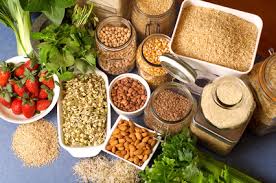
 Carbohydrates have a big impact on your blood sugar levels more so than fats and proteins but you don’t have to avoid them. You just need to be smart about what types of carbs you eat.
In general, it’s best to limit highly refined carbohydrates like white bread, pasta, and rice, as well as soda, candy, and snack foods. Focus instead on high-fiber complex carbohydrates also known as slow-release carbs. Slow-release carbs help keep blood sugar levels even because they are digested more slowly, thus preventing your body from producing too much insulin. They also provide lasting energy and help you stay full longer.
| If You Are Eating This | Change To This |
| White rice | Brown rice or wild rice |
| White potatoes (including fries and mashed potatoes) | Sweet potatoes, yams, winter squash, cauliflower mash |
| Regular pasta | Whole-wheat pasta |
| White bread | Whole-wheat or whole-grain bread |
| Sugary breakfast cereal | High-fiber breakfast cereal (Raisin Bran, etc.) |
| Instant oatmeal | Steel-cut oats or rolled oats |
| Cornflakes | Bran flakes |
Making the glycemic index easy
What foods are slow-release? Several tools have been designed to help answer this question. The glycemic index (GI) tells you how quickly a food turns into sugar in your system. Glycemic load, a newer term, looks at both the glycemic index and the amount of carbohydrate in a food, giving you a more accurate idea of how a food may affect your blood sugar level. High GI foods spike your blood sugar rapidly, while low GI foods have the least effect.
You can find glycemic index and glycemic load tables online, but you don’t have to rely on food charts in order to make smart choices. Australian chef Michael Moore has come up with an easier way to regulate the carbs you eat. He classifies foods into three broad categories: fire, water, and coal. The harder your body needs to work to break food down, the better.
Fire foods have a high GI, and are low in fiber and protein. They include “white foods” (white rice, white pasta, white bread, potatoes, most baked goods), sweets, chips, and many processed foods. They should be limited in your diet.
Water foods are free foods—meaning you can eat as many as you like. They include all vegetables and most types of fruit (fruit juice, dried fruit, and canned fruit packed in syrup spike blood sugar quickly and are not considered water foods).
Coal foods have a low GI and are high in fiber and protein. They include nuts and seeds, lean meats, seafood, whole grains, and beans. They also include “white food” replacements such as brown rice, whole-wheat bread, and whole-wheat pasta.


